Group A returned to the spotlight with their second series of matches, on what became the most highly charged day of the tournament. In retrospect, some of my observations and lessons are clearer than others:
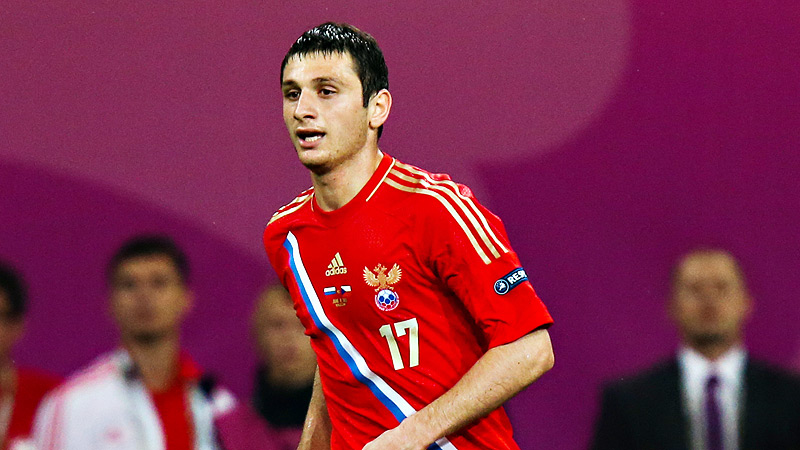
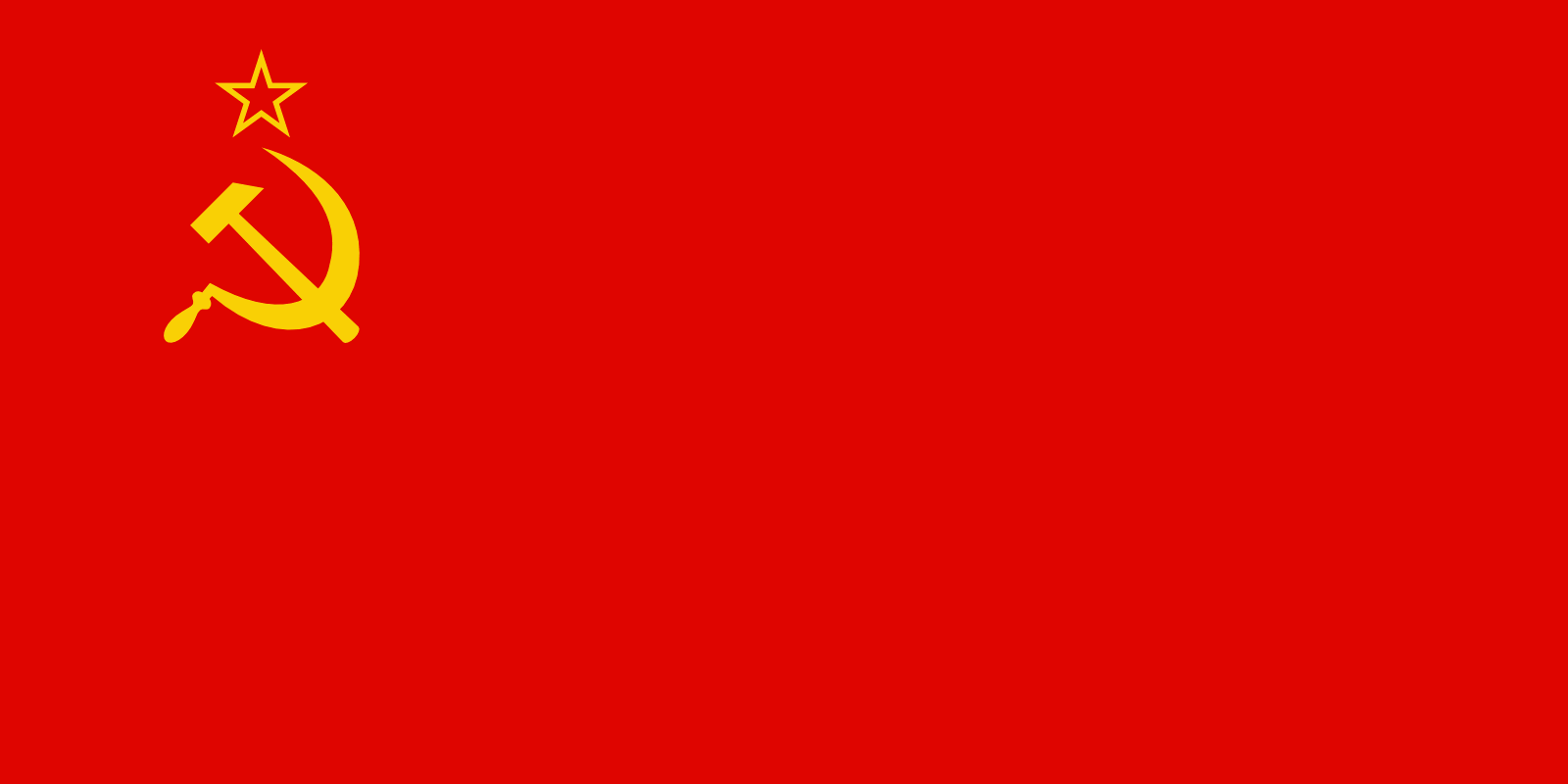
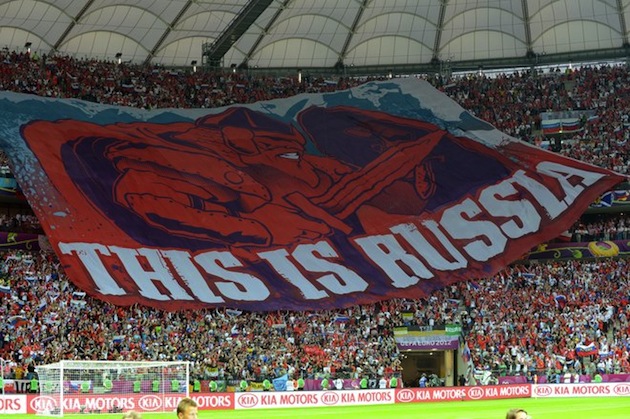
- I’m going to step slightly off the proverbial pitch for a second and discuss some sociocultural “phenomena” for lack of a better classifier. I’m not quite sure what to make of Russia’s presence at the Euros. From their unruly fanbase causing general mayhem after matches in the host cities (which prompted UEFA, the European Soccer governing body to open disciplinary proceedings and had the Russian soccer federation pleading with their fan base to behave) and engaging in a provocative and (at times) violent march to the stadium for the Poland vs. Russia match yesterday, to the Soviet-Era color scheme of their uniforms – red tops and shorts with gold trim that basically replicate the Soviet Union’s flag, with a mere diagonal stripe in the colors of the Russian flag (white, blue and red) across the front, leading one to believe the Ukraine could wear the same uniform except for a blue-yellow stripe to signify their flag, or any other former Soviet republic for that matter – to the enormous “This Is Russia” fan banner unfurled inside Warsaw’s stadium today (on “Russia Day”, which was June 12, a day marked to celebrate ironically, their independence from the Soviet Union, which I found garish considering the history between the two countries, and had me saying “This isn’t Russia … Is this Russia? … No, this isn’t Russia.“). Not to get apocryphal here, but it’s like Russia is trying to intimidate their way to the title. Heck, even their National Anthem is intimidating, especially in full chorus. Maybe Russia and its people are making a statement about Russian pride and nationalism that goes beyond soccer. Maybe it’s just a spate of hooliganism, Russian-style. But intimidation or nationalism alone won’t work – certainly not against a world class squad like Germany or Spain, as it didn’t even really work today against Poland in a 1-1 result – and I don’t think it will work when Russia hosts the World Cup in 2018 either.
- As for the game itself, it produced the goal of the tournament so far, Jakub Blaszczykowski’s bolt of lightning in the 57th minute that brought Poland level with Russia, after rising starlet Alan Dzagoev (that’s my guy!) redirected a free kick into the back of the net and put Russia temporarily ahead in the first half. I thought it was one of the better games of the tournament so far, the first game with actual tension on the field (possibly because of the aforementioned tension in the stands and elsewhere), and the fact Poland got a result is a testament to not only the team’s fortitude, but the quality and enterprise of their play against a Russian squad that didn’t look like it had lost a step since last Friday’s 4-1 win over the Czechs.
- Earlier in the day, the Czech Republic threatened to run away and hide in their match with Greece, taking a cue from what Poland did against Greece for their goal and plundering down the right side to score two goals in the first six minutes. Then Greece settled their back line and joined the match, actually crawling out of their defensive shell. As happened in the Poland match, Greece had yet another goal called back for offsides, before finally scoring early in the second half with a typically opportunistic goal from an untypical Czech ‘keeper Petr Cech flub of a long ball. By match’s end Greece had generated more shots on goal (5-3) and overall possession (54-46%) than the Czechs, but less goals (2-1). Although they were ultimately undone by their slow start, when Greece played more aggressive, positive soccer, they actually looked the part more than I would have suspected, but I wouldn’t expect a sudden reversal to an attacking philosophy anytime soon. In contrast, removing Tomas Rosicky at the half stalled the Czech offensive efforts, even as impressive wingback Theodor Gebre Selassie did as I suggested after Day 1, assisting the second goal and tormenting Greece on attack throughout. Rosicky holds the keys to unlocking the Czech attack however, and they will need him at his healthy best to overcome what is sure to be an inspired Poland squad.
- Two games into Group A play, and the prognosis is as follows: All four teams have a chance to advance to the knockout stage, while every team except Greece has their own fate in their hands…errr …feet. Russia (4 points) needs a win (which guarantees first place) or a tie (and could potentially advance on goal differential with a close loss) against Greece, while both Czech Republic (3 points) and Poland (2 points) can win their match against the other and advance, and Greece (1 point) needs to beat Russia and get some help with a Poland-Czech tie to advance on goal differential. Russia still looks like the class of the group, and I’ll stick with my Czech prediction for advancement based on their improved play yesterday, although Poland beating the Czechs on Saturday wouldn’t surprise me in the least. Greece beating Russia sure would though.
Up Next: Wednesday June 13, Group B heats up with Denmark vs. Portugal, 9:00AM PST, a nice appetizer to be followed by the main course, Netherlands vs. Germany, 11:45AM PST.
Games in the last Euro 2012 group to begin play were held yesterday, and an old lion roared for the home crowd. My thoughts on the proceedings:
- First off, listening to the English commentators on ESPN drone on about the weather conditions in Donetsk was ridiculous. A field temperature of 86°F (30°C) in the shade, even with some humidity, IS NOT hot, is not “scorching”, and is not “sweltering”. Having grown up in the Southwestern US desert, 86 degrees in the shade are ideal conditions to run around and keep the muscles loose, so long as you properly hydrate beforehand (which I’m certain professional athletes do). I understand it the slightest little bit, if par for the course is 40 degrees, foggy and soggy, that 86 degrees might sound daunting, but there is a reason why the “snowbird” phenomenon exists, and why so many people prefer warm climates. Makes one wonder though what they’ll all say about the conditions during the Qatar 2022 FIFA World Cup.
- France and England played to a cagey if not conservative draw, one that England obviously feels more chipper about than France. Both goals were soft; France got a preview of what England wanted to do off their free kick with Gerrard’s first attempt before the referee called it back and made Gerrard kick it over again, yet they allowed England to convert their only shot on goal of the match off that set piece with the same exact play, punctuated by poor marking and a lame effort by French goalkeeper Hugo Lloris. England meanwhile let Samir Nasri just play the ball around the perimeter of the box before taking a low, swerving shot that caught England ‘keeper Joe Hart a bit unaware. The result certainly benefits England’s chances for advancement more, as most feel France was the class of Group D and that any result today for England was a bonus, with more winnable games hereafter and Manager Roy Hodgson’s hope that the team would improve as the tournament proceeded.
- For that to happen however, England must become a bit more proactive. They were too happy to play behind the ball, much like Greece. While they were not lacking in good ideas, they were lacking in able execution, as most of the passing and decision-making in the attacking third of the field was sloppy, or as Hodgson said post-match, “…sometimes a bit anxious.” Whether it’s fatigue from club seasons, a lack of chemistry, nerves of the opening game at a big tournament, an absence of belief, or a combination of all of the above, that’s hard to say. Stephen Gerrard, Scott Parker and James Milner, although a bit redundant altogether, do well to transition form the back to the attack, but the linkage in building the attack is wanting. What they really miss is a playmaking midfielder, and the ultimate issue for England is that they don’t have one on the current roster or in the talent pool for that matter. Wayne Rooney’s return against Ukraine (who will be more inviting defensively) in the third group match will help things as he’s not shy about going to get the ball for himself, and England would have enough pace on the wings between Ashley Young, Danny Welbeck, Alex “Ox” Oxlade-Chamberlain and Theo Walcott to apply pressure should they choose to, but under caretaker manager Roy Hodgson we’re not going to see a ton of attacking soccer from the English side, and the Sweden game (with Rooney out serving the second game of his suspension) may decide England’s fate before Rooney’s return.
- Looking forward for France, they might have similar issues breaking down Sweden, who like England can organize behind the ball and bunker if they have to (even though Sweden did very little of that today), and will have to exercise a better mix of patience with urgency. Against teams like Ukraine that allow opponents to initiate the action, they should get theirs, and I still like their chances for deep advancement as much as ever.
- As for the “Blue-Yellow” game between Sweden and Ukraine, it was an uptempo, free-flowing affair headlined by the duel of AC Milan lead strikers past and present. Andriy Shevchenko’s two superbly headed goals for Ukraine overcame Zlatan Ibrahimovic’s singular toepoke finish for Sweden, stirring the echoes of “Sheva’s” heyday at AC Milan and launching celebrations around the host country as Ukraine are surprise leaders of Group D with a 2-1 victory that the natives will talk about for generations to come. Sweden meanwhile can’t afford to muse long on what might have been had “Ibra” been as efficient with his chances and his defense (it was Ibra who was responsible for marking Shevchenko on the corner kick that produced the game winner), with England and France remaining and no result out of what was supposed to be their easiest game.
Up Next: Tuesday June 12, Group A returns to the fore with their second round of games, Greece vs Czech Republic, 9:00AM PST, followed by Poland vs. Russia, 11:45AM PST.
Play began on Day 3 in what some are calling the “Group of Debt” (Get it? Group of Debt? Because Spain, Italy and Ireland have debt problems? Get it? Yeah, I thought the novelty wore off quickly too …) as we saw the first of Gdansk and Poznan as host cities. In honor of the Tony Awards, let’s get on with the Group C show.
- Spain and Italy ended up like I thought it would, enterprising yet cautious, entertaining yet lacking, and equal on the scoresheet. I thought Spain’s decision to not start with a true striker up top was slightly inspired but moreso madcap. Cesc Fabregas isn’t a striker, he’s more of a facilitator than a finisher, better running onto balls (as he did on Spain’s goal) from a withdrawn position than playing up front and creating scoring chances for himself. Spain’s offensive lot in the game actually improved with the insertion of “El Niño” Fernando Torres, even if he has the touch of a brickmason and the same confidence now as Tiger Woods has with a putter. Alexi Lalas said on ESPN’s post-game show that he thinks opponents “smell blood in the water” with Spain; I think they just miss David Villa (out since December with a broken tibia) and should employ one of their strikers – at this point, Fernando Llorente looks like a proper candidate – from the opening whistle against Ireland on Thursday.
- Yesterday’s game against the reigning European and World Cup Champions proved once more that no one circles the wagons better than the Italians. (Which makes sense, since they are the home of the “Spaghetti Western”, but I digress). Mario Balotelli’s 2nd-half laugher aside, Italy was the more consistently dangerous team, as Andrea Pirlo and the Antonios (Cassano and Di Natale, who scored Italy’s goal in perfect rhythm) created the better chances (only to be thwarted on all but one of them by Spain’s unsung hero in the game, goalkeeper “San” Iker Casillas), and battled Spain toe-to-toe in the midfield even with only 40 percent of the possession. Croatia looked vulnerable today against a pedestrian Ireland, so Italy has no reason not to continue their newfound attacking ways.
- “The Luck of the Irish”, as irony would have it, abandoned Ireland’s defense. Bad fortune played a role in all three of the goals Ireland let in, whether it was goalkeeper Shay Given being shielded by his own defender until it was too late to get over on the first goal a mere three minutes into the match, or a terribly shanked clearance by wingback Stephen Ward that could not have been a better slide-rule pass and assist for Croatia’s Nikica Jelavic on the second, or Given heading in the third goal as it caromed off the post. Never mind that they were probably robbed of a penalty kick opportunity by referee Bjorn Kuipers as well when Croatian defender Gordon Schildenfeld went through Robbie Keane for the ball inside the box. Unfortunately for “The Republic” they’ll need more than a reversal of luck against Spain and Italy, as today’s result likely guarantees they’ll be home before the postcards they’ve sent (Thanks for that one Tommy Smyth!).
- Don’t get me wrong, Croatia was definitely the better team, dominating the stats and deserving the win. Yet the score flattered to deceive, especially considering how luck shined on them for each goal. Then again, some believe you make your own luck, and if so, Croatia definitely made theirs today, orchestrated by their own midfield leprechaun, Luka Modric, who controlled tempo and defensively frustrated Ireland’s build-up on several occasions. Next up, an Italian side that they’ve never lost to as an independent nation.
Up Next: Monday June 11, Group D starts with the marquee match of the group, France vs. England, 9:00AM PST, followed by the co-host Ukraine’s first game, vs. Sweden, 11:45AM PST.
Euro 2012’s first “shocker” happened today as the “Group of Death” might have already claimed its first victim, and Ukrainian venues held their first games. Let’s get to it:
- The day could not have gone much better for Denmark, who sits at the top of the Group B table after their 1-0 victory over the Netherlands. Yet I will not be among those who call it an “upset”. Denmark is ranked 9th in the World according to FIFA (and yes, there are issues with the FIFA rankings, but there are issues with all such rankings in sports, so save them for now), they earned their berth in Euro 2012 by winning their qualifying group ahead of Portugal and Norway, and they have legitimate frontline talent from the top leagues in Europe and good coaching. Today, they played intelligently, got timely saves from goalkeeper Stephan Andersen, and made the most of their chances, with birthday boy Michael Krohn-Dehli’s goal the exemplar of opportunism on a broken play. Netherlands may have been the favorite, most people may have expected them to win today, the Dutch team may have been at a loss to explain their loss after the game – heck, I predicted they’d win both the group and the entire tournament – but on the field it was not (the) Danish slaying Goliath. And with three points in the bag, next up is Portugal, a team the Danes are quite familiar with from splitting two games in the qualifying round.
- On the other hand, the Netherlands’ effort was a far cry from the squad that scored 37 goals in 10 Euro 2012 Qualifying round matches. It wasn’t for a lack of overall goal scoring chances, but rather creating true quality chances and ably finishing them – they out shot Denmark 28-8, but only 5 were on goal, and none in the goal. Observers prior to the tourney had concerns over their defense, and yes, the Dutch defense did break down on Denmark’s goal, most notably the goalkeeper Maarten Stekelenburg who was nutmegged, a grave sin for a keeper. However, with so many chances squandered, it’s reasonable to think the Dutch should have been able to overcome one goal. They weren’t however, and it goes beyond Manager Bert van Marwijk’s defensive tactics. In particular, Arjen Robben seemed to play with blinders on, Ibrahim Afellay provided next to nothing on the wing, and Robin van Persie couldn’t seem to get the correct foot on the right ball. Substituting in Rafael van der Vaart (hereinafter referred to as “RVDV”) an offense-minded switch for defensive midfielder Nigel de Jong and Klaus-Jan Huntelaar (hereinafter referred to as “The Hunter”) for Afellay came too late (while putting in Dirk Kuyt with five minutes left isn’t really an effective substitution either as Kuyt is a work-rate guy who gets better the more time he has on the pitch), and though they created (with apologies to Spike Lee) “’mo’ better” chances, questions remain over what offensive adjustments should be made. What of starting RVDV alongside Marco van Bommel or on the wing instead of Afellay to give the team more punch? Maybe The Hunter, the top scorer in the German Bundesliga this season, should be given a start? What of using PSV Eindhoven starlet Kevin Strootman to help Wesley Sneijder orchestrate the midfield and create more chances? Whatever the moves to be made, Van Marwijk must make them now as the Germans lie in wait to end the Euros for the Dutch just as it really begins (Insert European common currency joke here).
- At the risk of reinforcing some more cultural stereotypes, Germany engineered their 1-0 win over Portugal. It wasn’t the creative explosion many fans and observers were hoping for; rather it was old-school German efficiency that carried the day. I know one of the big storylines was starting Mario Gomez over Miroslav Klose at striker, and how long Manager Jogi Low would keep the high-maintenance “Super Mario” (don’t blame me, I didn’t give him that nickname) in there, and obviously the patience paid off with a strong header goal by Gomez that not many strikers would have been able to convert, but to me that wasn’t the most important story. Instead, the German defense won that game as much as anything, goalkeeper Manuel Neuer backstopping four defenders (Jerome Boateng, Mats Hummels, Holger Badstuber and Philipp Lahm) that individually and collectively cancelled out the best wing tandem in the world and preserved a victory in the face of a late Portuguese charge.
- Portugal has no one but themselves to blame, as like Netherlands they weren’t wanting for chances. They hit the post twice, had a huge advantage in corner kicks (11-2) and in the last 12 minutes of regular and added time created half (6) of their bona fide chances on goal. Maybe that rise in intensity should have come sooner, maybe the other 10 players shouldn’t just wait for Cristiano RonalGodot to produce some magic or inspire the side to victory, maybe they can’t overcome their lack of a world class striker up top (although things improved with the insertion of 20-year old Nelson Oliveira with 20 minutes left), but Portugal definitely lost that game as much as Germany won it.
Up Next: Sunday June 10, Group C kicks off with a match between the last two World Cup Champions, Spain vs. Italy, 9:00AM PST, followed by Croatia vs. Ireland, 11:45AM PST.
Group A took shape yesterday with Russia emerging as the clear favorite, while the other three squads put their mixed bag of assets and liabilities on display. If you missed any of the games, you can watch or DVR replays nightly on the ESPN family of networks (check local listings) or stream the games live or in replay at WatchESPN.com. Here’s what I learned:
- At the risk of reinforcing some terrible cultural stereotypes, Poland did not play the smartest game today against Greece. They spent the first 17 minutes marauding down the right flank, culminating in their superbly headed goal by Robert Lewandowski, and then abandoned that plan altogether. What? Especially after Greece went a man down – on the second of two soft yellow cards for Sokratis Papastathopoulos (or “Pasta” for short) by overmatched Spanish referee Carlos Velasco Carballo – and had to extend in order to equalize thereby setting up even more opportunities on the counter? Once they got the lead, Poland relaxed and became complacent, starting the second half in a completely opposite tenor to the frenzied charge of the first half, and couldn’t ramp it back up after Greece tied the match. An observation further evinced by the ESPN announcers referencing Poland Manager Franciszek Smuda’s comments the day before about being less aggressive if the game was tied with 15-20 minutes left. Maybe Poland is feeling the home nation pressure to succeed as host; Of course this is what happened, the game and their play a self-fulfilling prophecy indeed. With Russia next and their fate now resting in part on feet other than their own, there’s no time for the co-hosts to be bashful.
- Greece’s captain, Giorgos Karagounis, is apparently called “The Dude” by his teammates (thanks for that one Ian Darke!). Too bad “The Dude” flubbed what would have been a winning penalty kick, earned in the second half when Poland’s back line was caught in a poorly executed offside trap and goalkeeper Wojciech Szczesny took down Greek hero (no, not gyro) and goalscoring super sub Dimitrios Salpingidis inside the box. Szczesny’s red card was deserved – one of the few calls Carballo got right – but maybe Salpingidis should have taken the spot kick as well, as later he had another winning goal disallowed due to a proper offsides call. I’m guessing he starts against the Czechs. As it was, substitute Polish keeper Przemyslaw Tyton saved the hosts’ bacon and may have single-handedly kept their advancement dreams alive, while Greece just keeps doing what it’s done over the last decade; in sum, so much drama for a game I told y’all to skip.
- Not to toot my own horn, but in yesterday’s preview I identified Russia’s Alan Dzagoev as the Player To Watch in Group A, suggesting he was ready for his star turn on the European stage, and boy howdy! Two well-taken goals in their 4-1 avalanche of a tepid Czech team, becoming the second youngest player (behind an 18-year old Wayne Rooney in 2004) to score two goals in one game at the Euros; I can’t wait for his encore. Meanwhile, maybe Roman Pavlyuchenko should start instead of the man he replaced in the 74th minute, Alexander Kerzhakov. According to ESPN, Kerzhakov became “the first striker in European Championship history to have 7 shots off target in a single game,” while Roman scored 1 goal and assisted another in 19 minutes of duty. Despite a slow start, Russia showed the verve and flow necessary to pose a threat beyond the group stage.
- Speaking of the Czechs, the four goals conceded might have flattered to deceive (if that’s possible) as to how vulnerable they are in the back, especially considering how off target Kerzhakov was. Petr Cech couldn’t do much but plug two thumbs into a dyke sporting several leaks. Lucky for them Poland and Greece weren’t exactly sterling today, and I was impressed by Ethiopian-born Theodor Gebre Selassie providing attacking support and pace from the back down the wings; he and Michal Kadlec need to do more of that in my opinion to create goal scoring opportunities, even as it may leave their defense more vulnerable. Advancement to the knockout stage is still within the Czech’s reach (as well as it is for Poland and Greece), but I’m already penciling in Russia as the Group A winner.
Up Next: Saturday June 9, Group B begins with Netherlands vs. Denmark, 9:00AM PST, followed by Germany vs. Portugal, 11:45AM PST.
 Bobby True